

Oregon Malbec vs. Argentine Malbec: What's Actually Different?
You know Argentine Malbec. Everyone knows Argentine Malbec. It's the bottle you grab when the label says "Mendoza," the price says "reasonable," and the back says something about the Andes. It has done more for weeknight steak than any grape alive.
So when someone in our tasting room squints at the list and says, "Wait — you make Malbec? In Oregon?" we get it. Oregon is supposed to be Pinot Noir country, tended by people in fleece who say "terroir" without irony. Malbec is supposed to come from a hillside in Mendoza with a condor over it.
Here's the honest comparison. Same grape, two very different places, and a straight answer about which one you should be drinking.
Where does Malbec actually come from?
France. Sorry, Argentina.
Malbec is originally from Cahors in southwest France, where it's called Côt and makes a dark, tannic, brooding wine that the French have been enjoying quietly for centuries while everyone else argued about Bordeaux. French cuttings landed in Argentina in the 1850s, found high-altitude sunshine and a nation that eats beef for breakfast, and became a global brand.
Oregon Malbec is the third act. Same vine, planted in a valley most people drive through on the way to somewhere they've heard of.
What makes Argentine Malbec taste the way it does?
Altitude, sun, and a very clear idea of what the customer wants.
Mendoza's vineyards sit roughly 2,500 to 5,000 feet up, in a near-desert irrigated by Andean snowmelt. That combination — intense sun, thin air, big day-to-night temperature swings — produces Malbec with deep color, plush blueberry-and-plum fruit, soft tannins, and often a friendly coat of oak. Some producers add a floral, violet edge. It's generous, it's consistent, and it's very good at being exactly what you expected.
That consistency is the point. Argentina makes Malbec at a scale that lets it be the reliable $15 bottle and the serious $80 bottle at the same time. Respect. Nobody in the Rogue Valley is going to out-volume Mendoza, and we're not trying.
What makes Rogue Valley Malbec different?
Cooler nights, smaller lots, and nobody telling us what Malbec is supposed to be.
Southern Oregon's Rogue Valley is warm enough to ripen Malbec fully — this isn't the Willamette, where a Malbec vine would file a complaint — but our nights drop hard. That swing keeps acidity in the fruit while the sugars climb, and it's why Rogue Valley Malbec tends to run a shade more savory than its Argentine cousin: black plum and blackberry, yes, but with black peppercorn, cedar, and a dry, food-friendly finish instead of a soft landing.
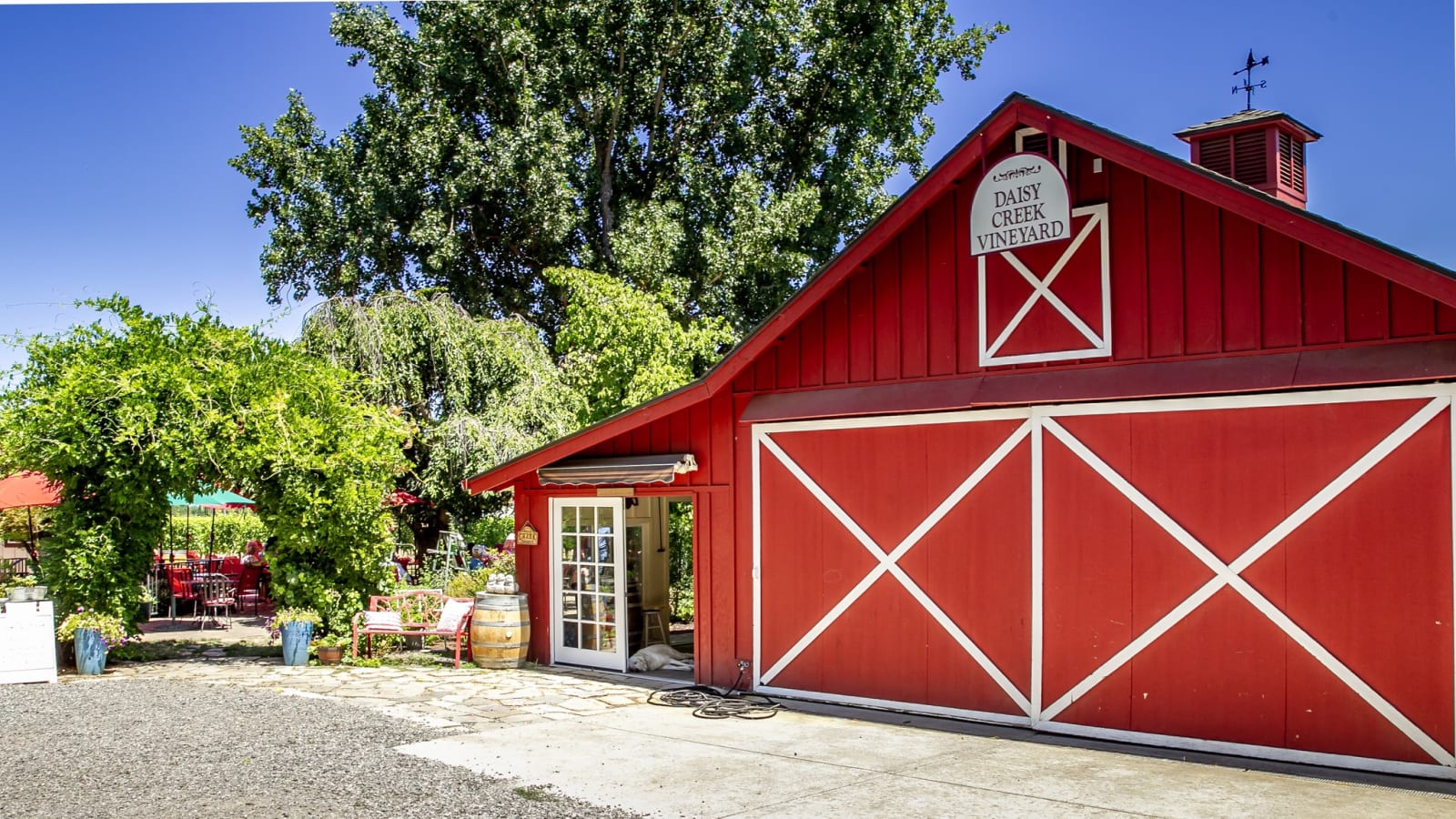
The other difference is scale. Our Malbec comes from a handful of small, hand-farmed sites — Daisy Creek and Dana Campbell among them — a few hundred cases at a time. There's no house style dictated by an export market. Kimberly picks when the fruit says so, lets the vintage do the talking, and does not put a condor on the label.
Oregon Malbec vs. Argentine Malbec: side by side
Fruit: Argentina leans blueberry, plum, and violets — round and ripe. Rogue Valley leans blackberry, black plum, and peppercorn — riper than you'd guess, drier than you'd expect.
Tannin and acid: Argentine Malbec is famously soft; it's why people who "don't like tannic wine" love it. Rogue Valley Malbec carries a little more grip and noticeably more acidity, which is a fancy way of saying it makes you want another bite of whatever you're eating.
Oak: Both use it. Argentina's commercial tier tends toward a sweeter vanilla-toast signature; ours shows up as cedar and sweet tobacco rather than dessert.
Alcohol: Similar, honestly. Both regions land in the 13.5–14.5% range. Nobody wins the purity contest here.
Age-worthiness: Most Argentine Malbec is built to drink now. Rogue Valley Malbec's acidity gives it a longer runway — our 2018 is drinking beautifully at eight years old, which surprised even us, and we made it.
Is Oregon Malbec more expensive than Argentine Malbec?
Yes. Here's why, without the violin music.
A very good Mendoza Malbec runs $12 to $25 at the grocery store. Ours is $55 a bottle. That's not a typo and it's not a "premium positioning strategy" — it's what it costs to make a few hundred cases from hand-farmed fruit in a valley with expensive labor and no economies of scale.
So if you're buying a case for a backyard party, buy the Argentine. Genuinely. It's a great wine and it's built for that job. Where the Oregon bottle earns its price is the dinner that matters, the bottle you open for the friend who thinks they've had Malbec, or the cellar you're pretending you don't have.
For what it's worth, the 2019 Malbec took Best Malbec at the Oregon Wine Experience. We mention this constantly and will continue to.
Which Malbec should you drink?
Both. But not for the same reasons.
Drink Argentine Malbec when you want a sure thing — plush, easy, pairs with anything that was recently a cow, and doesn't require a conversation.
Drink Rogue Valley Malbec when you want to be surprised by a grape you thought you'd figured out. When the food has some spice or char to it. When you want a wine that argues with dinner a little instead of nodding along.
And if you're the type who reads a blog post about Malbec to the end, you're going to like ours. That's not marketing. That's a demographic observation.

Can I taste Oregon Malbec without buying a bottle?
Yes. That's what the stools are for.
A flight at our Ashland tasting room is twenty dollars, almost always includes a Malbec, and the fee disappears if two bottles come home with you. We're two blocks off the plaza, Thursday through Sunday, and nobody will explain altitude to you unless you ask.
If you're still deciding whether the Rogue Valley is worth the drive at all, we wrote a suspiciously fair comparison with the Willamette Valley that ends with us winning, but only slightly.
Prices and vintages as of September 2026. Argentine figures are typical U.S. retail ranges, not quotes — your grocery store may vary. Ours don't.
Want to taste the Oregon side of that argument? Here is Southern Oregon Malbec, made in Ashland, and every winery in Ashland if you'd like to compare notes across town.