

Rogue Valley vs. Willamette Valley: Which Oregon Wine Region Should You Actually Visit?
Ask the internet about Oregon wine and it will hand you a map of the Willamette Valley, a lecture about Pinot Noir, and the strong implication that the conversation is over.
It is not over. It is barely started. Oregon is a long state with two very different growing regions in it, and the one nobody sends you to is the one growing Syrah, Tempranillo, Malbec and Sangiovese about four hours south.
So which one should you actually get in the car for? Here's the honest version, from people who obviously have a side but would rather you show up informed than flattered.
What's the actual difference between the Rogue Valley and the Willamette Valley?
Climate. That's the whole answer, and everything else falls out of it.
The Willamette Valley sits north of Salem, hemmed in by the Coast Range and the Cascades, and it is cool and wet. That's a gift if you're growing Pinot Noir and Chardonnay, which want a long, mild, unhurried ripening season. It's why the region got famous, and the fame is earned.
The Rogue Valley is southern Oregon, up against the California border, and it is hot, dry and high. Ashland sits around 1,900 feet. Days run genuinely warm; nights drop hard. That swing — the diurnal shift, if you want to sound like you've read a book about it — lets a grape build real ripeness during the day and hang onto its acid overnight. It's why Rhône and Spanish varieties work here and don't work up north.
Two regions, one state, about 275 miles apart, growing almost entirely different things. Calling them both "Oregon wine" is a bit like calling a banjo and a cello "wood."
Which region has better wine?
Wrong question, and the wine internet asks it constantly.
Willamette makes some of the best Pinot Noir outside Burgundy. That isn't a debatable position; it's the reason the region exists on the world map. If Pinot is what you love, go north, and don't let anyone talk you out of it.
But "best Pinot in America" has a side effect nobody mentions: an enormous number of wineries all making the same grape, in the same style, for the same buyer, under the same critical scoring system. Consensus is comfortable. It is not always interesting.
The Rogue Valley has no consensus, because nobody handed us a template. Syrah here comes out savory and peppery rather than jammy. Tempranillo — a grape almost nobody in Oregon plants — behaves like it's found the right hillside, because it has. Malbec ripens without turning into a milkshake. Nobody's grading us against a Burgundian ideal, which means the wines get to taste like where they're from instead of like where somebody wishes they were from.
If you want the wine everyone agrees on, go north. If you want the wine you'll be explaining to your friends for a year, come south.
Which one is cheaper to visit?
Not close.
Willamette tasting fees have drifted into the $30–$50 range at the well-known estates, often per person, often not waived, and increasingly by appointment only. Lodging in Dundee and Newberg during harvest prices like what it is: a destination.
In the Rogue Valley a flight typically runs about $20, and plenty of rooms — ours included — waive it on a two-bottle purchase. Ashland lodging is priced for a theater town, not a wine pilgrimage, which means you can stay downtown and walk. We put the full numbers in how much wine tasting actually costs in Ashland, including the Napa comparison, because the gap surprises people.
Which is easier to get to?
Willamette wins on logistics and it isn't close either. Portland International is an hour from Dundee, and once you're in the valley the wineries are stacked close enough to do four in a day without a plan.
The Rogue Valley is a commitment. Medford's airport is twenty minutes from Ashland and connects through several West Coast hubs — real service, small terminal. Driving from Portland is roughly four and a half hours; from the Bay Area, about five and a half. Nobody stumbles into southern Oregon on the way to somewhere else.
The upside of being hard to reach is that everyone who made it actually meant to. Our tasting room on a Saturday has a hum to it. It does not have a line.
So which trip should you book?
Go to the Willamette Valley if: you're chasing Pinot Noir specifically, you're flying into Portland anyway, you want to hit several producers in a day, and you like knowing a region's reputation before you arrive.
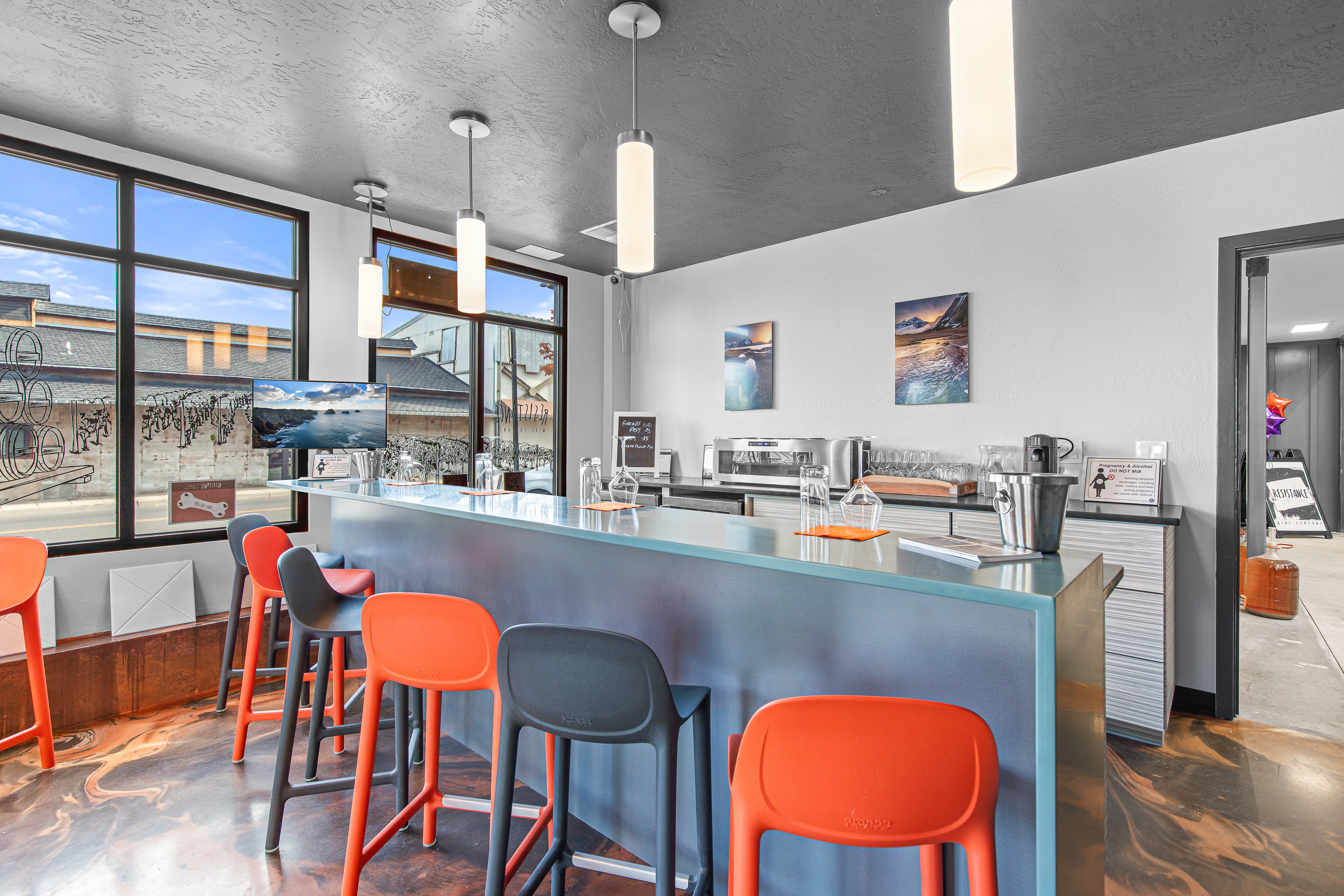
Go to the Rogue Valley if: you want to drink grapes Oregon isn't supposed to grow, you'd rather talk to the person who made the wine than to a hospitality associate reciting a script, you want a walkable downtown with a Shakespeare festival attached, and $20 flights sound better than $45 ones.
Go to both if: you have a week. Honestly, do this. Drive I-5 south, watch the fir trees give way to oak savanna, and taste the climate change under your feet. It's the best wine-education week in the country and it costs less than a weekend in Napa.
We're at 322 N Pioneer St in Ashland, Thursday through Sunday. There's a local's guide to tasting here in the fall if you want the rest of the itinerary. Bring your Pinot opinions. We'll pour you something that argues back.
If the Rogue Valley wins you over, here is every winery in Ashland in one list, and the case for the best tasting room in the Rogue Valley, argued by an interested party.